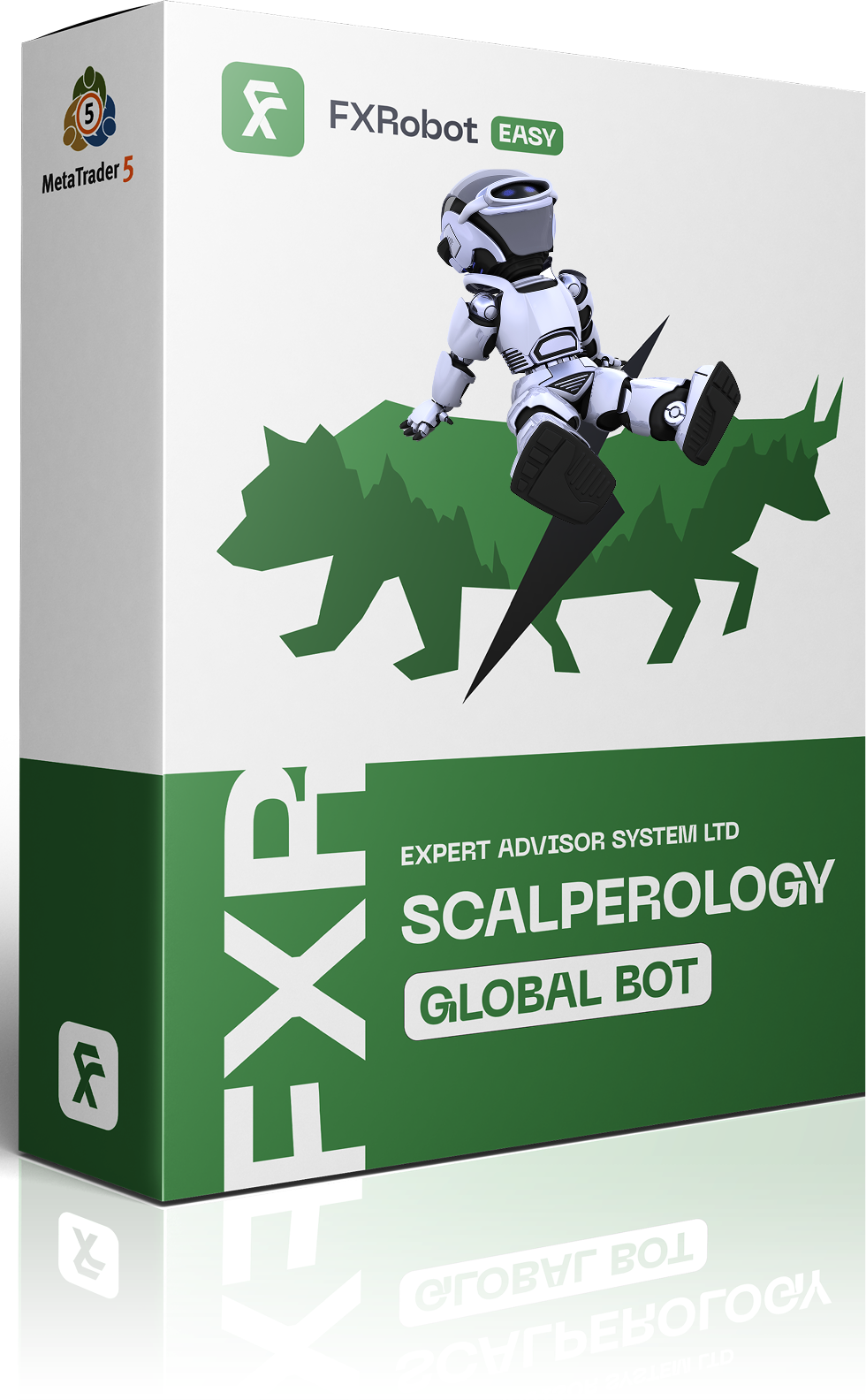
At this time, purchasing EASY Bot items is not available to all members. Read more - how to get access to purchase

Indicator Feature

MQL Rating

EASY Rating

Release Date

By popularity

Choose popularity

Trading Platform

Indicator Feature

Type

Choose type

Select a trading platform to view the types

Strategy

Choose strategy

Find the Right Edition That Fits You
Scalperology Ai MT5
Global
Pairs: AUD/JPY
AUD/JPY
AUD/USD
EUR/AUD
EUR/GBP
EUR/JPY
EUR/NZD
EUR/USD
GBP/USD
NZD/USD
USD/CAD
USD/CHF
USD/JPY
30-Day Profit: 0%
7-Day Profit: 0%
Support: 24ั…7 via Telegram
Test it Free๐Ÿš€
Breakopedia Ai MT5
Global
Pairs: AUD/JPY
AUD/JPY
AUD/USD
EUR/AUD
EUR/GBP
EUR/JPY
EUR/NZD
EUR/USD
GBP/USD
NZD/USD
USD/CAD
USD/CHF
USD/JPY
XAU/USD
XAG/USD
XBT/USD
30-Day Profit: 0%
7-Day Profit: 0%
Support: Developer
Test it Free๐Ÿš€

Understanding Indicator Features

  • Indicators are essential tools used in Forex trading to analyze market trends and aid in decision-making.
  • They provide users with visual insights, enhancing the ability to identify trading opportunities efficiently.
  • Different indicators focus on various aspects of market behavior, such as volatility, momentum, and trend strength.
  • Types of Indicators

  • Trend Indicators: These help traders identify the overall direction of the market. Examples include moving averages and the NakaTrend indicator, which utilizes advanced algorithms to signal trend changes.
  • Volatility Indicators: Indicators like the Average True Range (ATR) measure market volatility, assisting traders in determining potential price fluctuations.
  • Momentum Indicators: These show the speed of price movements, providing insights on the strength of a trend. The RSI and Stochastic Oscillator are popular examples.
  • Unique Features of Indicators

  • Many modern indicators come equipped with alert systems, notifying traders when specific conditions are met. For instance, the Break Harmony indicator signals potential breakouts before the candle closes.
  • Some indicators, like the Trend based on Extremum Levels and Volatility, allow traders to customize settings to fit their strategies, enhancing functionality and personalizing the approach.
  • Interactive panels and charts in indicators provide a comprehensive view of market analysis, enabling quick and informed decisions.
  • ๐Ÿ˜Š

    Combining Indicators for Better Analysis

  • Using multiple indicators in conjunction can lead to more robust trading signals. For example, combining trend indicators with volatility indicators allows traders to assess both the direction and potential strength of price movements.
  • Indicators like the Trend Harmony and Break Harmony can be combined to achieve a holistic analysis, integrating trend-following strategies with breakout signals.
  • The Role of Automation in Indicators

  • Automated indicators streamline the trading process, providing traders with the ability to execute trades based on pre-set criteria.
  • Many advanced indicators incorporate algorithms that analyze historical data to predict future market movements, reducing the need for manual analysis.
  • Examples of automated systems include robots that integrate indicators to perform trades on behalf of the user, maximizing efficiency while reducing emotional trading decisions.
  • ๐Ÿค–

    Risks and Limitations

  • While indicators are powerful tools, relying solely on them without additional market analysis can lead to misinterpretations and losses.
  • Traders are encouraged to use indicators in conjunction with traditional analysis methods to create a well-rounded strategy.
  • Indicators may lag in certain market conditions, making it essential to understand their limitations and context of application.
  • No trading robots found.