

At this time, purchasing EASY Bot items is not available to all members. Read more - how to get access to purchase
-

- Trading Robots
- Bearish Market Sentiment

Bearish Market Sentiment
Find the Right Edition That Fits You

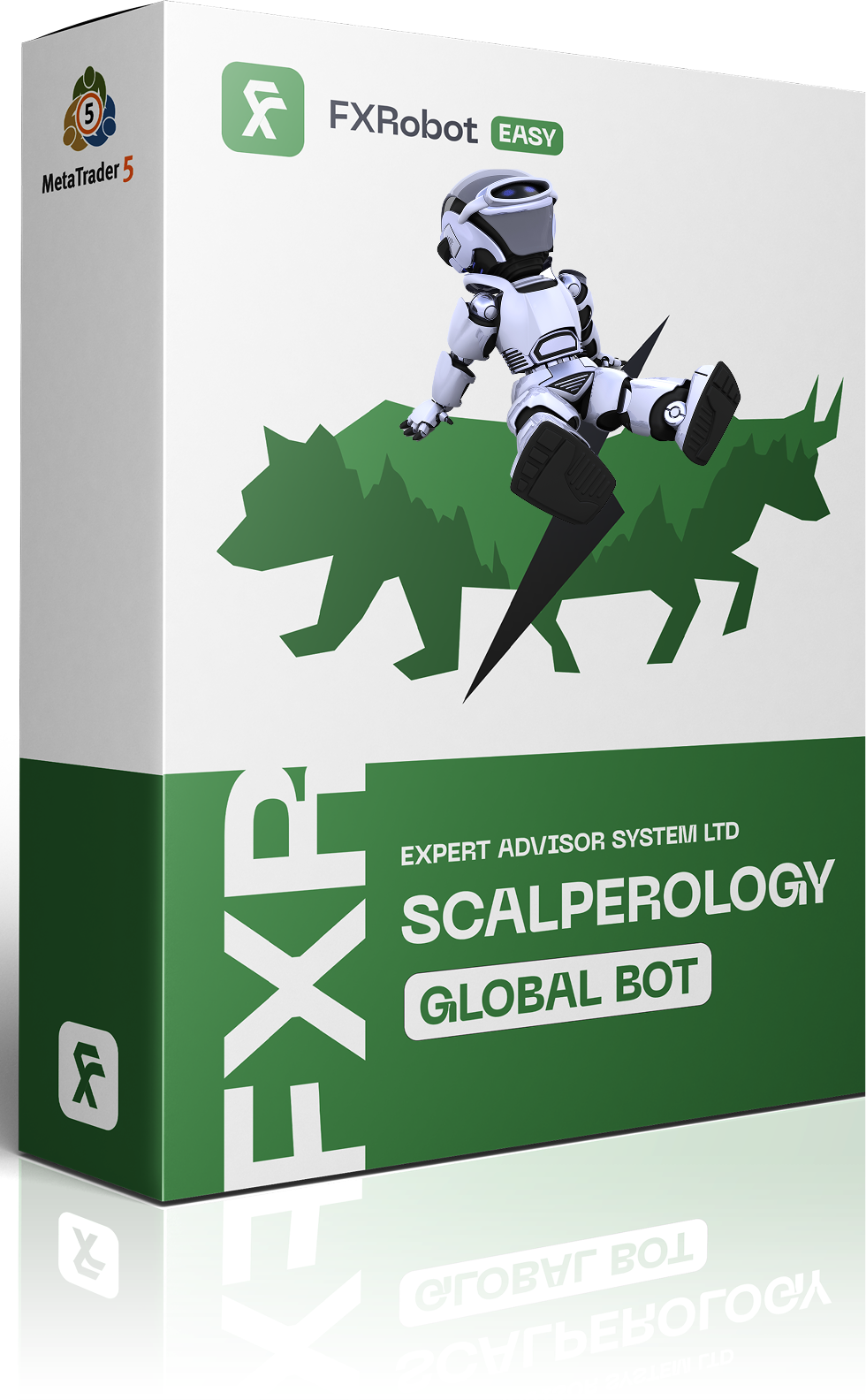
Scalperology Ai MT5

 Test it Free🚀
Global

Pairs:
AUD/JPY

 AUD/JPY
AUD/JPY

AUD/USD

EUR/AUD

EUR/GBP
EUR/JPY

EUR/NZD
EUR/USD
GBP/USD
NZD/USD

USD/CAD

USD/CHF
USD/JPY

30-Day Profit:
0%

7-Day Profit:
0%

Support:
24х7 via Telegram

Breakopedia Ai MT5
Try it Free🍀
Global
Pairs:
AUD/JPY
AUD/JPY
AUD/JPY
AUD/USD
EUR/AUD
EUR/GBP
EUR/JPY
EUR/NZD
EUR/USD
GBP/USD
NZD/USD
USD/CAD
USD/CHF
USD/JPY

XAU/USD

XAG/USD

XBT/USD
30-Day Profit:
0%
7-Day Profit:
0%
Support:
Developer
Understanding Bearish Market Sentiment 📉
Bearish market sentiment reflects a widespread belief among traders that market prices will decline, creating an atmosphere of caution and uncertainty. This negative outlook can stem from various factors, including economic downturns, geopolitical tensions, and adverse corporate news. In Forex trading, understanding this sentiment is crucial for making informed trading decisions.
Investors often respond to bearish sentiment by either reducing their positions or looking for short-selling opportunities. Recognizing the indicators that signal a bearish market is vital. Some common signs include:
- Significant price decreases over a defined period.
- Increased trading volumes on downward movements.
- Negative news cycles impacting investor confidence.
- Bearish technical indicators, such as moving averages crossing below key thresholds.
By understanding these signals, traders can adapt their strategies accordingly, whether it’s employing a risk management approach or utilizing trading robots designed to exploit declining markets. Ultimately, a firm grasp of bearish market sentiment equips traders with the insights needed to navigate through challenging trading environments effectively.
Characteristics of a Bearish Market 🐻
A bearish market is characterized by a prolonged period of declining prices, typically exceeding 20% from recent highs. This downward trend influences investor sentiment, leading to a pervasive atmosphere of pessimism and caution. Understanding the key features of such a market is essential for traders aiming to navigate its challenges successfully.
Various indicators signal the presence of a bearish environment:
- Declining Prices: Continuous price drops across asset classes, particularly major currency pairs, are a primary indicator of bearish sentiment.
- Increasing Trading Volume: A surge in trading volume often accompanies declining prices, as traders react to market conditions.
- Negative Economic Indicators: Poor economic data, such as rising unemployment rates or declining GDP, can exacerbate bearish trends, further eroding investor confidence.
- Investor Sentiment: Surveys and sentiment indicators reflecting pervasive doubt among investors can indicate a bearish phase in the market.
Moreover, traders frequently adjust their strategies during bearish markets, employing tactics such as short-selling or using trading robots specifically designed for hostile market conditions. By recognizing and understanding these characteristics, traders can position themselves more effectively, mitigating risks and potentially capitalizing on downward price movements.
Trading Robots Designed for Bearish Trends 🤖
The development of trading robots specifically designed for bearish trends represents a significant advancement in Forex trading technology. These automated systems are programmed to identify and exploit opportunities during periods of declining market prices, allowing traders to capitalize on downward movements without constant monitoring.
One of the key features of these robots is their ability to analyze vast amounts of market data rapidly. This analysis includes pivotal indicators that suggest bearish conditions, such as:
- Momentum Indicators: Tools like the Average True Range (ATR) help determine market volatility, enabling robots to gauge potential price movements.
- Trend Analysis: Advancements in algorithms allow these systems to detect bearish trends based on historical data and pattern recognition.
- Risk Management Features: Incorporating stop-loss orders and take-profit levels ensures that trades are executed with a calculated approach, minimizing potential losses.
Noteworthy examples of trading robots that excel in bearish markets include the AI Sniper, designed to find optimal sell points, and the Trend Reversal Bot, which signals when to enter short positions based on market sentiment. By utilizing these advanced tools, traders can enhance their strategies and navigate challenging market conditions with greater confidence and precision.
Leveraging Insights from Market Sentiment Tools 🔍
Market sentiment tools are essential for traders looking to gain insights into prevailing market conditions. These tools analyze investor behavior and sentiment, helping traders understand the collective mood of the market. In bearish environments, leveraging these insights can prove especially beneficial for making timely decisions.
One of the main advantages of using sentiment analysis is its ability to predict potential shifts in market trends. By assessing data from various sources, such as news articles, social media, and financial reports, traders can identify key indicators of bearish sentiment. Important aspects to consider include:
- Sentiment Indexes: These indexes provide a numerical representation of market attitudes, allowing traders to gauge bullish and bearish sentiments at a glance.
- Historical Sentiment Data: Analyzing past sentiment patterns can reveal how similar situations evolved, offering clues to potential future movements.
- Real-Time Sentiment Analysis: Tools that deliver real-time data help traders stay ahead of market shifts, enabling quick decision-making in response to changing conditions.
Moreover, integrating sentiment analysis with trading strategies can enhance the effectiveness of automated trading systems. For instance, combining sentiment indicators with technical analysis ensures a comprehensive approach to trading. Ultimately, utilizing market sentiment tools equips traders with the necessary insights to adapt their strategies and navigate bearish trends more effectively.
The Future of Bearish Market Strategies 🚀
The landscape of bearish market strategies is continually evolving, reflecting advancements in technology and changing market dynamics. As traders seek effective ways to navigate downturns, innovative strategies are emerging, driven by data analysis and automation.
One notable trend is the increased integration of artificial intelligence (AI) and machine learning in trading systems. These technologies allow for more accurate predictions of market movements, helping traders identify bearish signals before they escalate. Key elements shaping the future of these strategies include:
- Enhanced Data Analytics: A focus on big data enables traders to analyze vast datasets, enhancing the accuracy of market predictions and sentiment analysis.
- Algorithmic Trading: The rise of algorithm-driven trading systems is set to improve execution speed and capitalize on fleeting market opportunities, particularly during bearish phases.
- Real-Time Risk Management: Advanced risk management tools that respond dynamically to market conditions will allow traders to protect their positions better during downturns.
Furthermore, the development of hybrid trading platforms, which combine traditional trading methods with automated systems, signals a shift in how traders approach bearish markets. By adapting to changing conditions and leveraging new technologies, traders can create more robust strategies to successfully handle future downturns. Being prepared for these transformations ensures that traders will not only survive but thrive in bearish market environments.