In the ever-evolving landscape of Forex trading, signal detection has emerged as a crucial strategy for traders seeking to optimize their performance. This process involves identifying potential trading opportunities based on specific indicators and market trends. By utilizing advanced algorithms and statistical models, traders can better predict price movements and make informed decisions.
The need for effective signal detection systems arises from the overwhelming amount of data present in the Forex market. With countless currency pairs and constant fluctuations, manual analysis can be daunting. Trading robots focused on signal detection simplify this task by automating the analysis process, allowing traders to focus on their strategy.
One of the key benefits of employing signal detection tools is their ability to operate 24/7, capitalizing on opportunities that may arise during off-hours. This not only enhances potential profitability but also minimizes the risk of missed trades.
In summary, mastering signal detection is essential for both novice and experienced traders looking to maximize their success in the Forex market.
💡 Understanding How Signal Detection Works
Signal detection in Forex trading revolves around analyzing market data to identify profitable trading opportunities. It primarily utilizes a combination of technical analysis, indicators, and algorithms to forecast market movements. The process begins by collecting real-time data from various sources, including price charts, volume metrics, and economic indicators.
Trading signals are then generated based on predefined criteria, which could be as simple as moving average crossovers, or as complex as machine learning models analyzing historical data. These signals indicate when a trader should enter or exit a position, allowing for timely decision-making.
Many traders rely on specialized software and trading robots that automate the signal detection process. This automation reduces the emotional bias that can accompany trading decisions and allows for more consistent applications of strategies. Additionally, traders can customize their parameters to align with their risk tolerance and market preferences.
Ultimately, understanding how signal detection works enables traders to harness the power of technology and data, leading to improved trading outcomes in the dynamic Forex market.
📈 Key Features of Signal Detection Robots
Signal detection robots are essential tools in the Forex trading landscape, equipped with various features designed to enhance trading efficiency and decision-making. One of the key features is real-time analysis, allowing these systems to monitor market changes continuously and identify opportunities promptly.
Another significant aspect is the ability to customize trading strategies. Traders can tailor parameters according to their risks and preferences, making the robots adaptable for different trading styles, such as scalping or swing trading.
Backtesting capabilities are indispensable, enabling traders to evaluate the effectiveness of their strategies using historical data. This feature helps in identifying strengths and weaknesses before implementing them in live trading.
Additionally, signal detection robots often come equipped with a robust risk management system. This helps in minimizing potential losses by controlling trade sizes, setting stop-loss limits, and diversifying investments.
Lastly, their user-friendly interfaces make it easy for traders of all experience levels to navigate and utilize these powerful tools. By utilizing these key features, traders can maximize their chances of success in the competitive Forex market.
🚀 Introducing the EASY Series: The Best in Signal Detection
The EASY Series has emerged as a frontrunner in the field of signal detection, offering a suite of advanced trading robots designed to cater to various trading needs. Each robot in this series is built with precision and empowered by state-of-the-art algorithms that analyze market trends while providing reliable trading signals.
A hallmark of the EASY Series is its focus on user-friendliness. Traders of all levels can easily configure the settings to suit their trading styles without requiring extensive technical knowledge. This approach ensures a seamless experience while utilizing the powerful capabilities of these trading bots.
Among the standout robots is the EASY Trendopedia, designed to identify and capitalize on trending markets. By leveraging real-time data, it accurately detects entry and exit points, optimizing potential profits.
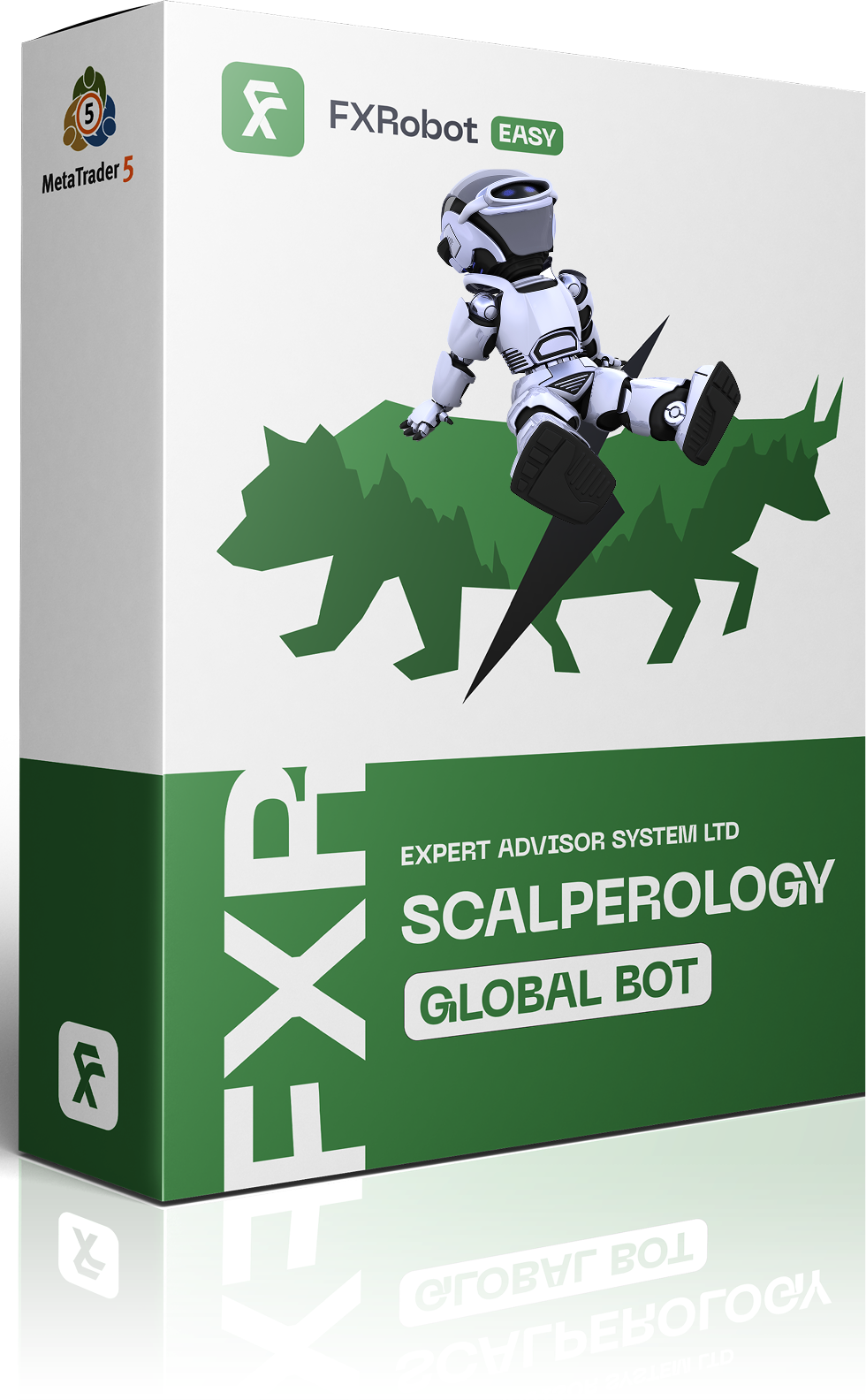
Another notable member is the EASY Scalperology, tailored for short-term traders. This robot excels in making rapid decisions, perfect for those looking to capitalize on minor price fluctuations.
Finally, the EASY Breakopedia focuses on breakout strategies, providing traders with timely alerts for significant price movements. This versatility ensures that all traders can find a suitable choice within the EASY Series, making it the best in signal detection.
⚙️ The Technical Aspects of Signal Detection
The technical aspects of signal detection in Forex trading encompass a range of methodologies and tools that ensure accurate market analysis. At the core, algorithmic trading plays a significant role, with algorithms designed to process vast amounts of market data in real-time, detecting patterns and generating signals.
One fundamental technique is the use of indicators, such as moving averages, RSI (Relative Strength Index), and MACD (Moving Average Convergence Divergence). These indicators provide insights into market momentum and potential price reversals, aiding traders in making more informed decisions.
Moreover, signal detection robots employ complex mathematical models and statistical analyses to enhance their predictive capabilities. This often includes techniques like regression analysis or neural networks, which can improve the accuracy of forecasts and trading signals.
Another critical component is the integration of risk management protocols. Effective signal detection systems incorporate measures to minimize losses and protect capital, such as setting stop-loss orders and position sizing based on overall portfolio risk.
Lastly, backtesting features allow traders to evaluate the performance of their strategies over historical data, ensuring that the chosen methods yield profitable results before live trading. Mastering these technical aspects ultimately leads to a more robust approach to signal detection in the Forex market.
📊 Analyzing Performance: How to Measure Effectiveness
Measuring the effectiveness of signal detection in Forex trading is essential for assessing the reliability of trading strategies. One of the primary metrics used is win rate, which indicates the percentage of profitable trades relative to the total number of trades executed. A higher win rate usually suggests a more effective trading system.
Another critical measure is profit factor, calculated by dividing the total profits by the total losses. A profit factor greater than 1 implies that the strategy is profitable, providing traders with a clear picture of its effectiveness over time.
Drawdown is another key aspect to analyze, as it represents the maximum observed loss from a peak to a trough in the trading portfolio. Understanding drawdown levels helps traders gauge the risk involved in their trading strategies and prepare for potential losses during adverse conditions.
Additionally, traders often utilize the Sharpe ratio, a statistical measure that calculates the risk-adjusted return of an investment. A higher Sharpe ratio indicates that the trading strategy is providing better returns for the risk taken.
Lastly, consistent tracking and analysis of these performance metrics over time are crucial. By evaluating their results, traders can optimize their methods and refine their signal detection systems, leading to improved long-term profitability in the Forex market.
🤖 A Look at Popular Trading Robots for Signal Detection
The landscape of Forex trading is rich with advanced trading robots designed specifically for signal detection. Among the most popular options is EASY Trendopedia, tailored for traders who want to harness trending market conditions. This robot evaluates real-time data, identifying potential entry and exit points with remarkable precision, making it a top choice for trend followers.
Another noteworthy robot is EASY Scalperology, which targets short-term opportunities, enacting trades based on minute price movements. Its speed and efficiency are ideal for scalpers, allowing traders to capitalize on fleeting market changes swiftly.
For those focused on breakout strategies, the EASY Breakopedia robot excels in spotting significant price movements. By analyzing historical data and current volatility, it provides timely alerts when the market is poised for a breakout, enabling traders to act quickly.
Other popular signal detection robots include Forex Diamond and GPS Forex Robot, both recognized for their robust performance and user-friendly interfaces. They employ complex algorithms to analyze various market factors and generate reliable signals for traders.
Ultimately, choosing the right trading robot for signal detection can significantly enhance a trader's success in the Forex market, providing valuable insights and automating critical decisions. Evaluating different options based on personal trading strategies and goals is essential for maximizing effectiveness.
🛠️ Configuring Your Trading Robot for Optimal Signals
Configuring your trading robot effectively is crucial for maximizing its signal detection capabilities in the Forex market. Begin by setting appropriate parameters according to your individual trading style and risk tolerance. This includes defining stop-loss limits, take-profit targets, and trade sizes to ensure that you manage your capital wisely.
Adjusting the timeframe for analysis is another essential step. Depending on whether you are a day trader, swing trader, or scalper, select a timeframe that aligns with your strategy. Shorter timeframes may yield more signals, but they often come with increased noise and volatility.
Moreover, consider employing specific technical indicators that resonate with your trading approach. Incorporating tools such as moving averages, Bollinger Bands, or RSI can enhance the signal detection accuracy. Ensure the indicators are set correctly to capture market movements effectively.
Don’t overlook the importance of backtesting your settings. Utilize historical data to simulate how your configured robot would have performed in the past. This analysis helps to optimize and fine-tune your settings, ensuring better results in live trading.
Finally, maintain a regular review process of your robot’s performance. Adjust configurations as needed based on market conditions, ensuring that your trading robot adapts to changes effectively. By following these practices, you can significantly improve your trading results and gain a competitive edge in the Forex market.
📅 The Future of Signal Detection in Forex Trading
The future of signal detection in Forex trading is promising, driven by advancements in technology and data analytics. As artificial intelligence and machine learning continue to evolve, trading robots will become increasingly sophisticated, allowing for more accurate and reliable trading signals.
One significant trend is the integration of big data analytics. Traders will have access to vast amounts of market data, including economic indicators, news sentiment, and social media trends, allowing for a comprehensive view of the market landscape. This wealth of information will enable more informed trading decisions and enhanced signal detection.
Furthermore, the rise of quantitative trading strategies will redefine how traders approach the market. By employing advanced mathematical models, traders can optimize their strategies and adapt to changing market conditions more effectively. This evolution will result in more robust trading systems that can react quickly to new information.
Additionally, the ability to utilize cloud computing will revolutionize the accessibility and scalability of signal detection tools. Traders can access high-performance computing resources, enabling real-time data processing and analysis without the need for extensive local infrastructure.
As the Forex market continues to mature, those who embrace these innovative technologies will likely lead the way in effective signal detection strategies, ultimately enhancing profitability and trading success.
🔥 Why Signal Detection is Essential for Every Trader
Signal detection is a cornerstone of successful Forex trading, offering a systematic approach to identify profitable opportunities in a highly volatile market. For every trader, employing effective signal detection methods can significantly enhance their decision-making process and trading outcomes.
Firstly, timeliness is crucial in the Forex market. Signal detection provides traders with the ability to execute trades promptly when market conditions favor them. This minimizes the risk of missing out on potential profits due to delayed reactions or emotional decision-making.
Moreover, the automation of signal detection through trading robots allows for continuous market monitoring, freeing traders from the need to watch charts 24/7. This not only increases efficiency but also allows traders to focus on refining their strategies and risk management practices.
Another important aspect is the ability to reduce emotional bias. By relying on systematic signal detection, traders can avoid impulsive decisions driven by fear or greed, which is often detrimental to performance.
Additionally, effective signal detection enhances risk management by identifying optimal entry and exit points. This allows traders to set precise stop-loss and take-profit levels, which are essential for preserving capital in a unpredictable market.
In summary, signal detection is essential for every trader who seeks to navigate the complexities of the Forex market successfully. It empowers traders with valuable insights, improves efficiency, and fosters a more disciplined trading approach, ultimately leading to better performance and profitability.




 AUD/JPY