






Imagine you’re on a bustling trading floor, the cacophony of market chatter filling the air as traders dart between screens. In the midst of this organized chaos, one tool stands out for its ability to distill this madness into a single, coherent insight: the Volume Weighted Average Price, or VWAP. But what exactly is this mysterious indicator that traders hold in such high regard?
The VWAP isn’t just another line on a chart; it’s a sophisticated measure that blends price and volume data to give you the average price at which an asset has traded throughout the day. Think of it as the market’s way of saying, “Here’s the true price, based on where the heavy hitters are placing their bets.” Whether you’re a high-frequency trader looking to fine-tune your entries and exits, or an institutional investor aiming to gauge the quality of your trade executions, understanding VWAP can be your secret weapon in navigating the financial markets. So, strap in as we dive deep into the world of VWAP and uncover how this indicator can transform your trading strategy.
Understanding the Basics of VWAP: A Primer for Traders
The Volume Weighted Average Price (VWAP) indicator is a versatile tool that calculates the average price of an instrument based on both volume and price over a specified period. Unlike simple moving averages, VWAP incorporates volume into its calculation, providing a more accurate reflection of the market’s true average price. This makes it particularly valuable for traders who want to gauge the strength and direction of a trend. For instance, if a stock is trading above the VWAP, it suggests a bullish trend, while trading below it indicates a bearish trend. Institutional traders often use VWAP to execute large orders without causing significant price disruptions, ensuring their trades are as close to the average market price as possible.
The VWAP indicator can be employed in various modes, including daily, weekly, monthly, and session-specific calculations, allowing traders to customize it according to their trading strategies. Additionally, some versions of the VWAP indicator provide bands similar to Bollinger Bands, which help traders identify potential reversal points. By combining VWAP with other indicators like Pivot Points, SMA200, and EMA1000, traders can establish a comprehensive trading strategy. For example, trading long when the price is in the long zone above the VWAP and vice versa can enhance trading decisions. The flexibility and depth of insight provided by VWAP make it an indispensable tool in a trader’s arsenal.
The Mechanics of VWAP Calculation: Diving Deep into the Formula
The Volume Weighted Average Price (VWAP) is essentially the sum of all trade prices divided by the total volume traded over a specific period. Imagine you’re at a bustling fish market, calculating the average price of fish sold throughout the day by considering both the price and quantity of each transaction. This gives you a balanced view of the market price, weighted by volume. VWAP is widely used by institutional traders and algorithms to gauge the efficiency of trade executions and to identify potential entry and exit points without causing significant market impact. The formula for VWAP is straightforward: it involves the cumulative total of price multiplied by volume, divided by the cumulative volume. This calculation is typically reset at the start of each trading day, providing traders with a fresh perspective on market dynamics.
However, there are nuances to consider. For instance, VWAP is highly sensitive to the time frame and starting point of the calculation. If your asset doesn’t start trading at midnight, the VWAP might not accurately reflect the market conditions. Additionally, as the day progresses and the cumulative sums grow, the precision of VWAP can diminish due to rounding errors. To mitigate this, some traders combine VWAP with other indicators like Pivot Points, Simple Moving Averages (SMA), and Exponential Moving Averages (EMA) to establish a more comprehensive daily bias. This blend of indicators helps in delineating long and short zones, ensuring that trades are executed with a clear directional bias.
VWAP vs. Moving Averages: Key Differences and Use Cases
VWAP, or Volume Weighted Average Price, is a trading benchmark that offers insights into the average price at which an instrument has traded throughout the day, factoring in both volume and price. This is particularly useful for traders who want to understand the true average price of an instrument over a specific period. Unlike simple moving averages, which merely average the closing prices over a period, VWAP integrates the volume of each trade, giving more weight to trades with higher volume. This makes VWAP a more accurate reflection of a security’s average price and helps in identifying the true value of trades executed by larger market participants.
On the other hand, moving averages, such as the simple moving average (SMA) and the exponential moving average (EMA), are used to smooth out price data to identify the trend direction. While SMAs give equal weight to all data points, EMAs give more weight to recent prices, making them more responsive to new information. Moving averages are versatile tools used in various trading strategies, from identifying trend direction to generating buy and sell signals. However, they do not account for trade volume, which can sometimes lead to misleading signals in markets with fluctuating volumes.
Using VWAP in Trading Strategies: Practical Examples and Tips
One practical way to employ the VWAP indicator is by using it in conjunction with Bollinger Bands to identify potential reversal points. For instance, traders can look for reverse trades on the second and third standard deviations from the VWAP. This method can be particularly effective when combined with price action or candlestick patterns, allowing traders to achieve more precise entry and exit points. By monitoring these deviations, traders can identify overbought or oversold conditions and make informed decisions based on the market’s behavior relative to the VWAP line.
Another strategy involves using VWAP for benchmarking purposes. Many institutional investors use VWAP to evaluate the execution quality of large trades. By comparing the execution price to the VWAP, traders can assess whether they achieved a favorable price relative to the average market price over a given period. This can be particularly useful for traders who aim to minimize market impact and achieve better execution prices. Additionally, VWAP can serve as a dynamic support and resistance level, providing traders with crucial information on potential price reversals and continuation patterns.
Trading Robots and VWAP: A Comparison of Top Performers
The Volume Weighted Average Price (VWAP) is a crucial indicator that gives traders a comprehensive view of the average price at which a security has traded throughout the day, factoring in both volume and price. This metric is particularly valuable because it provides a snapshot of the market’s trend and value, allowing traders to make more informed decisions. Unlike a simple moving average, VWAP incorporates volume, making it a more accurate reflection of the market’s true average price. This makes it an essential tool for day traders looking to gauge market sentiment and potential entry and exit points.
One of the standout features of VWAP is its flexibility. Traders can use it to identify whether a security is trading above or below the average price, which can indicate bullish or bearish sentiments, respectively. Additionally, the VWAP can be adjusted to different time frames, such as daily, weekly, or monthly, providing a versatile tool for various trading strategies. This adaptability is further enhanced by the ability to use it in conjunction with other indicators like Bollinger Bands or moving averages, offering a multi-faceted approach to market analysis.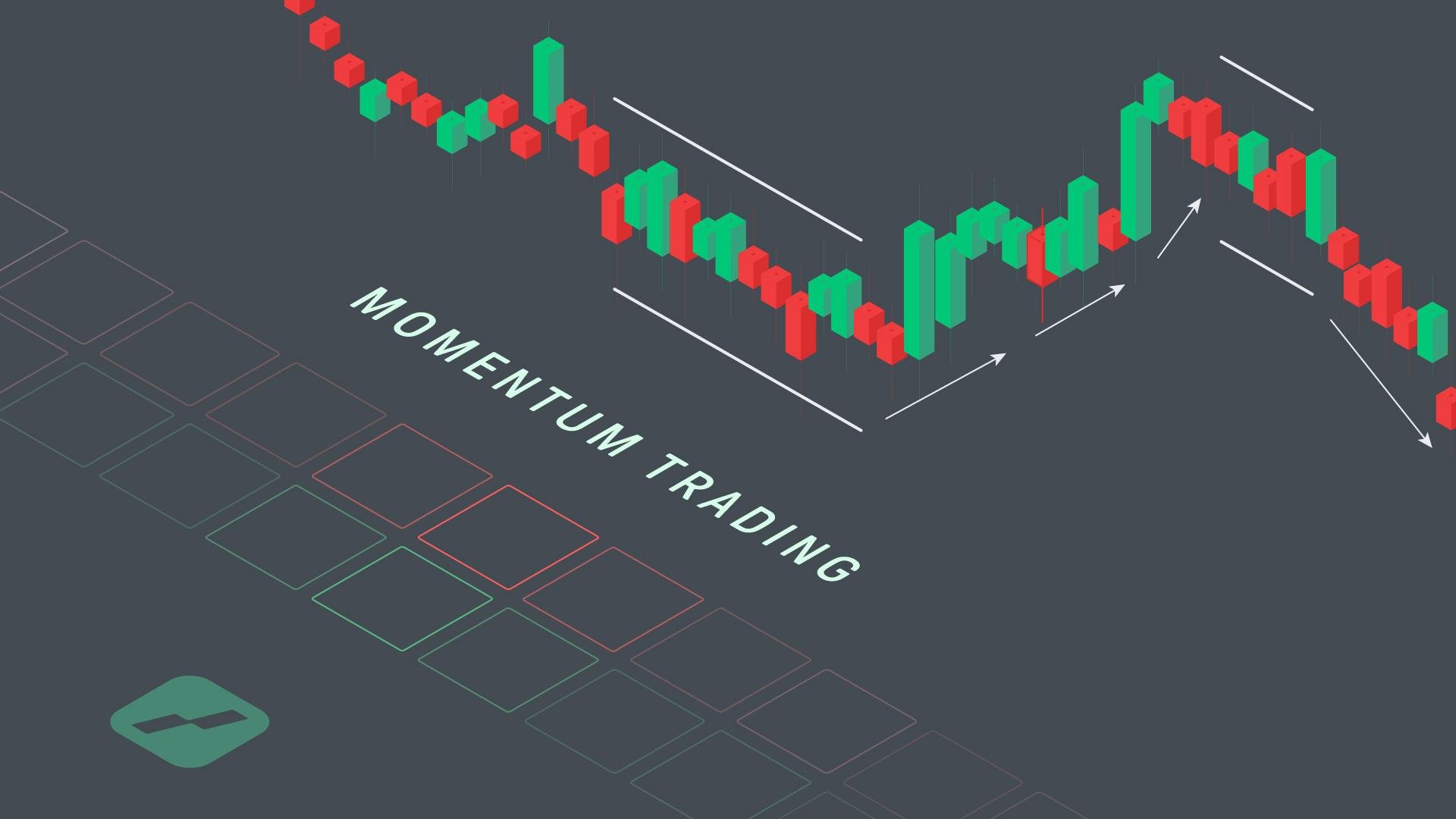
Case Study: How Aura Eclipse MT4 Utilizes VWAP for Optimized Trading
The volume weighted average price (VWAP) is an essential metric in the trading world, providing a snapshot of the average price at which an instrument has traded throughout the day, weighted by volume. Unlike a simple moving average, which treats all prices equally, VWAP gives greater significance to prices with higher trading volumes. This makes it an invaluable tool for traders looking to understand both the trend and value of an asset. VWAP is particularly favored by institutional traders and algorithms aiming to execute large orders with minimal market impact. By following the VWAP, they can time their trades to ensure they are aligning with the day’s average price, thereby avoiding unfavorable price movements caused by their own trading activities.
The Aura Eclipse MT4 leverages the VWAP to optimize trading strategies, providing a clearer picture of market dynamics and potential entry and exit points. The VWAP indicator in this system includes various alert options to notify traders when the price touches or crosses the VWAP line, enhancing decision-making efficiency. Additionally, the indicator supports multiple calculation modes such as daily, weekly, and monthly VWAPs, offering flexibility to suit different trading styles and timeframes. This adaptability ensures that traders can tailor the VWAP to their specific needs, whether they are day trading or looking at longer-term trends. The combination of VWAP with other technical indicators can create a robust trading strategy, helping traders to confirm market trends and make more informed trading decisions.
Q&A
What is the Volume Weighted Average Price (VWAP)?
The VWAP is a trading benchmark used by traders that gives the average price an instrument has traded at throughout the day, based on both volume and price. It provides insight into both the trend and value of the instrument, making it a valuable tool for traders looking to gauge market sentiment.
How is VWAP calculated?
VWAP is calculated by taking the cumulative total of price multiplied by volume and dividing it by the cumulative total of volume over a given period. This calculation results in a weighted average price that more accurately reflects the true average price of an instrument compared to a simple moving average.
What are the different modes of the VWAP indicator?
The VWAP indicator can operate in several modes:
- Moving: Functions as a moving average with a specified period.
- Daily: Calculates VWAP from the start to the end of the day.
- Weekly: Calculates VWAP from the beginning to the end of the week.
- Monthly: Calculates VWAP from the start to the end of the month.
- Session Time: Allows users to set specific beginning and end hours for VWAP calculation.
How do traders use VWAP?
Traders use VWAP in various ways. It can be used similarly to moving averages, where prices above the VWAP indicate a bullish sentiment, and prices below suggest a bearish sentiment. Traders may initiate long positions when the price moves above VWAP and short positions when it moves below. Additionally, VWAP bands, which are similar to Bollinger Bands, can be used to identify potential reversal trades based on standard deviations from the VWAP.
What is the difference between VWAP and AVWAP?
While VWAP starts calculating from the beginning of a day, week, or month, AVWAP (Anchored VWAP) allows traders to place the starting point anywhere on the chart. This flexibility can be particularly useful for analyzing price action around specific events or time periods.
What are some key features of the VWAP indicator?
The VWAP indicator offers several features, including:
- Multiple modes for different timeframes.
- Real and tick volume calculations.
- Standard deviation bands for identifying potential reversals.
- Customizable parameters such as colors, line thickness, and VWAP period.
- Compatibility with Expert Advisors for automated trading.
Why is VWAP important for traders?
VWAP is important because it provides a more comprehensive view of an instrument’s average price by incorporating volume into the calculation. This helps traders understand market trends and make more informed trading decisions. Institutions often use VWAP to evaluate the execution quality of large trades, while independent traders use it to identify dynamic support and resistance levels.
To Conclude
As we draw the curtain on our exploration of the Volume Weighted Average Price (VWAP) indicator, it is clear that this tool offers a unique blend of simplicity and depth, making it invaluable for traders at all levels. From its ability to provide a reliable average price that accounts for volume to its application in identifying market trends and potential reversals, the VWAP stands out as a versatile ally in the trading arena. Whether you are a seasoned trader seeking to refine your strategies or a novice eager to grasp the market’s pulse, integrating VWAP into your toolkit could be the game-changer you’ve been looking for. Happy trading, and may the VWAP be ever in your favor!
